


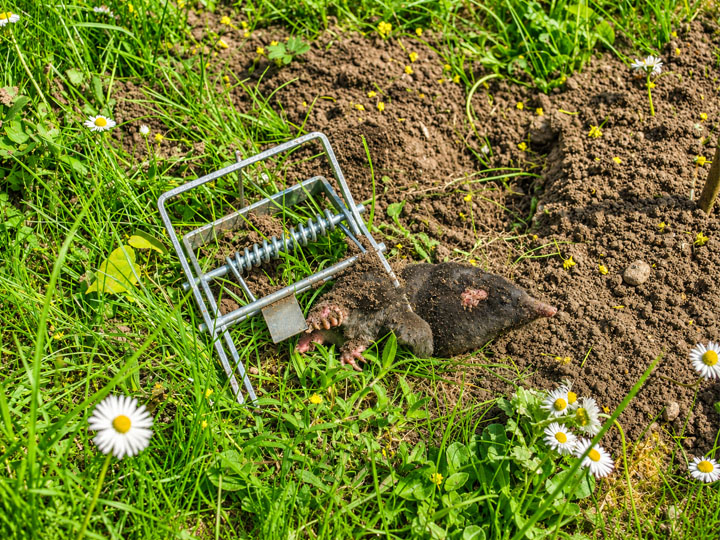
Moles can cause problems in lawns, gardens, and other outdoor areas by digging underground tunnels. These tunnels can create raised soil ridges, damage grass surfaces, and disturb plant roots.
However, not all mole traps are suitable for the same conditions. You need to consider the location, soil type, tunnel size, and available installation space before choosing a trap.
At Antibirdspikes, we offer a range of plastic and galvanized steel mole traps for different outdoor applications. This guide will help you compare the available designs and choose a suitable model for your needs.
Why Does the Environment Matter When Choosing Mole Traps?
Moles spend most of their time underground. They create tunnel systems while searching for earthworms and other small soil animals.
You may notice mole activity in several places, including:
- Residential lawns: Raised tunnels can make grass surfaces uneven.
- Flower beds: Underground digging may disturb roots and garden soil.
- Vegetable gardens: Mole tunnels can affect soil stability around growing plants.
- Parks and landscaped areas: Molehills and raised ridges can affect the appearance of maintained green spaces.
- Orchards and nurseries: Mole activity may occur around trees, seedlings, and planting areas.
Each environment presents different conditions. For example, a metal spring trap may be easier to position in an accessible lawn, while a compact plastic design may be worth considering where installation space is limited.
Therefore, you should select a mole trap based on the actual tunnel and installation conditions rather than appearance alone.
1. Mole Traps for Residential Lawns
Residential lawns are common locations for mole activity. You may find raised soil ridges running across the grass or fresh soil mounds appearing after underground digging.
In these areas, you should first identify a tunnel that the mole uses regularly. A straight, accessible section of the tunnel is generally a better place to install a trap.
Recommended Models: GKMLT-1 and GKMLT-2
Both models feature galvanized steel construction and spring-operated designs.
- GKMLT-1: A compact steel trap with an open-frame structure.
- GKMLT-2: A steel trap with a wider spring-and-jaw arrangement.
These designs are worth considering for lawns where you can access the tunnel from above and position the trap according to its installation instructions.
Selection Tip: Before choosing between these models, check the tunnel depth, soil firmness, and available working space. A suitable installation position is more important than selecting the largest trap.
2. Mole Traps for Flower Beds and Vegetable Gardens
Flower beds and vegetable gardens often contain loose soil, growing roots, and closely spaced plants.
When mole tunnels appear in these areas, you need to consider how much soil must be disturbed during installation.
Recommended Models: GKMLT-9 and GKMLT-12
These plastic mole traps have different tube-shaped designs.
- GKMLT-9: Features a cylindrical body with open-frame sections at both ends.
- GKMLT-12: Features a compact tubular structure with a relatively narrow profile.
You can compare these models when selecting a trap for an accessible tunnel within a planting area.
Before installing either design, measure the tunnel opening and check the manufacturer’s installation requirements.
In addition, avoid unnecessary digging around plant roots. Choose an accessible section of the tunnel away from delicate plants whenever possible.
Selection Tip: In gardens with dense planting, consider the space needed for installation and removal. A smaller exterior profile may be helpful, but the trap must still match the tunnel and operating requirements.
3. Mole Traps for Narrow Tunnels and Limited Spaces
Some mole tunnels are located close to garden borders, planted areas, or other places where access is limited.
In these conditions, the size and shape of the trap become especially important.
Recommended Models: GKMLT-12 and GKMLT-13
These two plastic models have relatively slim exterior designs.
- GKMLT-12: A compact tubular model measuring 7.28 × 0.79 × 1.42 inches.
- GKMLT-13: A long, narrow plastic model measuring approximately 9.05 × 1.57 inches.
Their different shapes give you additional options when comparing products for restricted spaces.
However, the outside dimensions alone cannot confirm whether a trap will fit a particular mole tunnel. You should also check its internal working space, operating mechanism, and installation directions.
Selection Tip: Measure the tunnel before purchasing. Do not force a trap into a passage that is too small, as this may damage the tunnel or prevent the mechanism from working correctly.
4. Mole Traps for Large Gardens and Open Ground
In large gardens, orchards, and landscaped properties, mole tunnels may extend across several areas.
You may find different tunnel sizes and soil conditions within the same property.
For these locations, having more than one trap design available can help you choose a suitable option for each active tunnel.
Recommended Models: GKMLT-3 and GKMLT-4
Both models are listed as galvanized steel mole traps, but they feature different structures.
- GKMLT-3: Has a tall, open-frame metal design.
- GKMLT-4: Features a longer wire-style design with a copper-colored finish.
These models provide alternatives to compact plastic traps. Before choosing either model, check whether its operating structure and installation space match the selected tunnel.
For professional pest control companies and landscape maintenance businesses, a selection of different mole traps may be more useful than relying on a single model for every location.
Selection Tip: On large properties, focus on active tunnels rather than placing traps randomly throughout the area. This helps you make better use of each trap.
5. Choosing Mole Traps for Different Soil Conditions
Soil conditions can affect how easily you position a mole trap and how well its mechanism operates.
For this reason, you should check the soil before deciding which design to use.
Soft or Sandy Soil
Loose soil may collapse when you open or prepare a tunnel.
You should choose a trap that can be positioned securely without losing the intended tunnel shape.
Plastic models such as GKMLT-9 and GKMLT-10 offer different housing designs to compare. However, their suitability depends on the tunnel dimensions and installation method.
Hard or Clay Soil
Dense soil may make installation more difficult, particularly for traps with moving metal jaws.
Galvanized steel models such as GKMLT-1, GKMLT-2, and GKMLT-3 may be considered where their operating mechanisms suit the soil conditions.
For jaw-style traps, make sure the soil does not block the moving parts. Follow the installation instructions carefully.
Damp or Frequently Watered Soil
In damp gardens and regularly watered lawns, you should consider both trap operation and material maintenance.
Plastic and galvanized steel traps have different material characteristics.
Galvanized steel has a protective zinc coating, while plastic does not develop metal rust. However, actual outdoor durability also depends on material quality, exposure conditions, and product design.
After use, clean the trap and inspect it for dirt, wear, or damage before storing it.
Mole Trap Model Comparison Guide
Antibirdspikes offers different mole trap designs to meet a range of outdoor product requirements.
| Model | Material | Design Features | Selection Considerations |
|---|---|---|---|
| GKMLT-1 | Galvanized Steel | Compact open frame | Accessible lawn tunnels |
| GKMLT-2 | Galvanized Steel | Spring-and-jaw design | Open installation areas |
| GKMLT-3 | Galvanized Steel | Tall metal frame | Areas with sufficient installation space |
| GKMLT-4 | Galvanized Steel | Copper-colored wire design | Locations suited to its wire-style mechanism |
| GKMLT-9 | Plastic | Cylindrical body | Straight tunnels with suitable dimensions |
| GKMLT-10 | Plastic | Enclosed housing design | Sites with space for its larger upper housing |
| GKMLT-12 | Plastic | Compact tubular profile | Limited-space tunnel installations |
| GKMLT-13 | Plastic | Long, slim profile | Locations requiring a narrow exterior design |
These are general selection considerations based on the available product designs. Always confirm the operating method, tunnel compatibility, and installation instructions for the specific model.
How to Choose and Use a Mole Trap Correctly
Selecting a suitable mole trap involves more than comparing product materials and dimensions.
You should also understand where the mole is active and how the trap must be installed.
Step 1: Identify Mole Activity
Look for fresh molehills, raised soil ridges, and signs of recent underground digging.
Keep in mind that a molehill does not always indicate the best location for a trap. Moles may use some tunnels regularly while leaving others inactive.
Step 2: Find an Active Tunnel
Choose a visible tunnel and gently press down a short section.
Check the area the following day. If the raised tunnel has been repaired, this may indicate that the mole is still using it.
Whenever possible, choose a straight section of an active tunnel for trap placement.
Step 3: Check the Tunnel and Soil
Before selecting a model, consider:
- Tunnel width and depth
- Soil firmness and moisture
- Space available for installation
- Nearby plant roots and other obstacles
- The trap’s required operating clearance
These details will help you narrow down your options.
Step 4: Install the Trap According to Its Design
Different mole traps use different triggering mechanisms.
Some are positioned over a tunnel, while others require installation within a prepared section of the passage.
You should follow the instructions supplied with your selected model and use the required safety precautions.
Step 5: Inspect and Maintain the Trap
Check installed traps regularly and follow local rules for inspection and use.
If there is no activity after several days, reassess the tunnel location rather than assuming that the trap is unsuitable.
Keep traps away from children, pets, and unauthorized users. Check applicable local wildlife and trapping regulations before use.
Plastic vs. Galvanized Steel Mole Traps: Which Should You Choose?
Both materials are used in outdoor mole trap designs, but neither is automatically the best option for every environment.
Plastic Mole Traps
Plastic models provide a range of compact, tubular, and enclosed housing designs. They may be worth considering when exterior dimensions and installation space are important.
Galvanized Steel Mole Traps
Galvanized steel models include open-frame, spring, and wire-style designs. Their metal construction provides strength, while the zinc coating helps protect the steel from corrosion.
Your final choice should depend on the trap mechanism, tunnel conditions, installation requirements, and expected outdoor exposure.
In other words, choose the right design first, then compare the material and size.
Why Choose Antibirdspikes as Your Mole Trap Manufacturer?
Antibirdspikes is a professional mole trap manufacturer, supplier, and wholesaler in China. We supply different mole trap designs for importers, distributors, garden supply businesses, and pest control product wholesalers.
1. Multiple Mole Trap Designs
You can choose from plastic, galvanized steel, tubular, spring-style, and wire-style products to meet different market requirements.
2. Material Options for Different Needs
Our product range includes both plastic and galvanized steel mole traps, allowing you to compare materials according to your customers’ preferences and intended applications.
3. Clear Product Models and Specifications
You can identify products by model number and compare their dimensions, materials, and external designs before making purchasing decisions.
4. Wholesale Supply for B2B Buyers
Whether you are an importer, garden supply distributor, or pest control equipment wholesaler, you can discuss product selection and bulk purchasing requirements directly with us.
5. A Wide Product Selection in One Place
Instead of sourcing different mole trap designs from multiple suppliers, you can review several models within one product range.
6. Direct Communication with a Chinese Manufacturer
You can contact our team to discuss available models, product details, quantities, and purchasing requirements for your market.
Frequently Asked Questions About Mole Traps
1. What is the best mole trap for a lawn?
The best mole trap depends on the active tunnel, soil type, and installation conditions. Galvanized steel models such as GKMLT-1 and GKMLT-2 are options to compare for accessible lawn tunnels, provided their mechanisms suit the site.
2. Can you use plastic mole traps in a vegetable garden?
Yes, plastic mole traps may be used in suitable garden tunnels. However, you should check the tunnel dimensions and installation instructions and avoid unnecessary disturbance to nearby plant roots.
3. Are galvanized steel mole traps better than plastic ones?
Not necessarily. Galvanized steel and plastic models have different designs and material characteristics. The correct choice depends on how the trap operates and whether it suits the tunnel and soil conditions.
4. How do you know if a mole tunnel is active?
Gently flatten a small section of a visible tunnel and inspect it the next day. If the mole raises or repairs that section, it is likely still using the passage.
5. Can the same mole trap be used in different soil types?
Some designs may work in more than one soil type, but their performance depends on proper installation. Dense clay, loose sand, and damp soil can affect the operation of different trapping mechanisms.
6. Do you need to put a mole trap directly on a molehill?
Not usually. Molehills are signs of underground activity, but active runways are generally better trapping locations. Follow the placement requirements for the trap you select.
7. Are mole traps safe around pets and children?
Mole traps may contain strong springs, moving jaws, or other potentially dangerous mechanisms. Never leave an armed trap accessible to children or pets. Use appropriate protection and follow local safety regulations.
8. Where can you buy mole traps in bulk?
You can contact Antibirdspikes, a China-based mole trap manufacturer and wholesale supplier, to discuss available models, product specifications, and bulk purchasing requirements.
Find the Right Mole Traps for Your Market
Different outdoor environments require different approaches to mole control.
Whether your customers maintain residential lawns, private gardens, landscaped properties, or larger outdoor areas, choosing a suitable mole trap begins with understanding the tunnel conditions and available installation space.
At Antibirdspikes, we offer a range of plastic and galvanized steel mole traps to help distributors, importers, and wholesalers build a practical product selection.
Contact Antibirdspikes today to explore our mole trap models, request product information, or discuss your wholesale purchasing needs.
Request a Free Quote
Looking for reliable bird control products? Please tell us your required product, quantity and application. Our team will provide suitable recommendations and a competitive quotation.